The wastewater lift station of the municipality is old. The pumps are nearing the final stage of their life The controls are old as well as the access hatch is worn out. While the concrete wetwell is structurally sound, it’s time to be upgraded.
Should the station be gone? Not necessarily. The more useful question is whether the infrastructure in place is able to support a modern pumping system, without compromising security, maintenance access or capacity in the future.
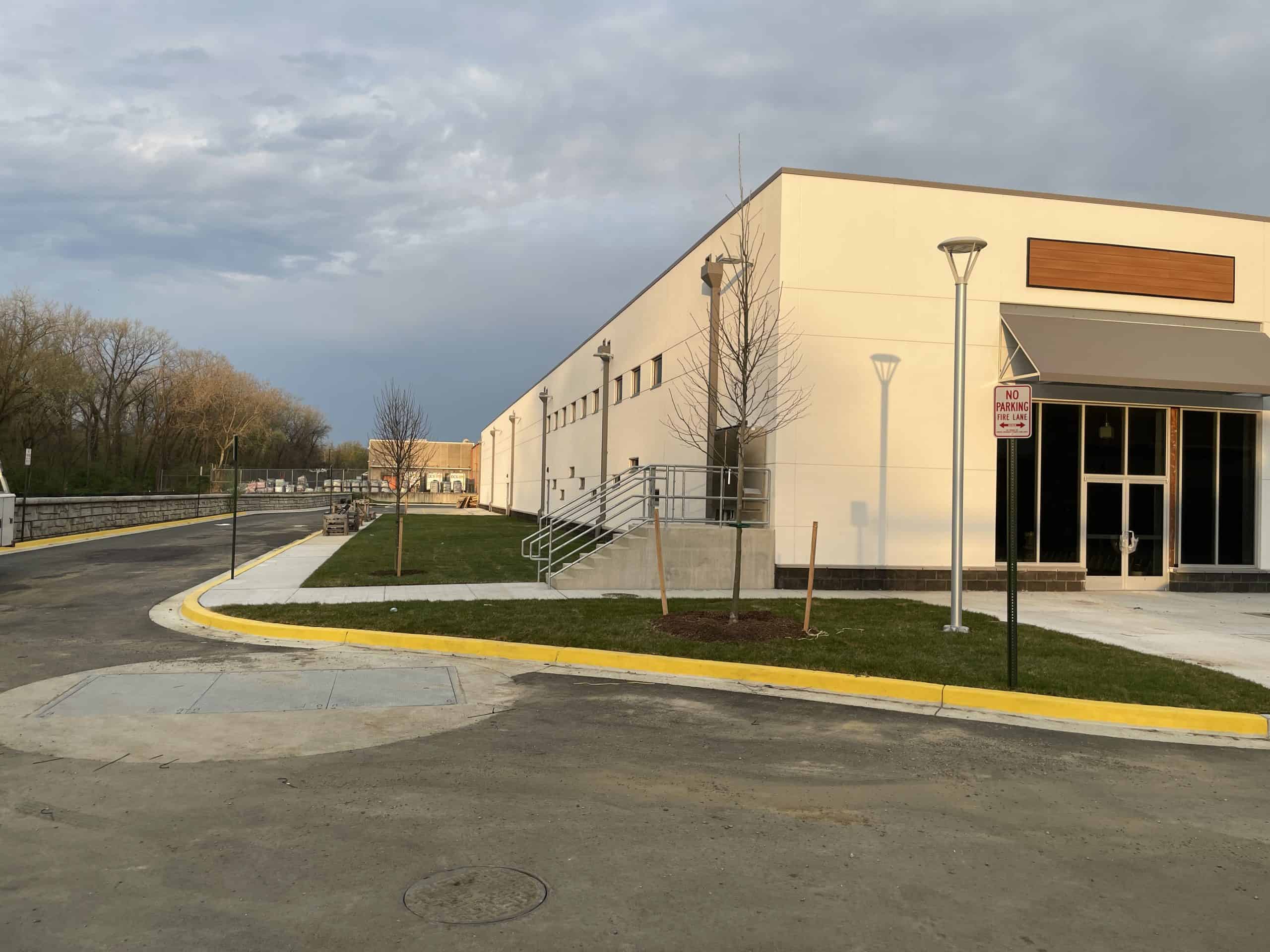
Image credit: romtecutilities.com
A carefully engineered pump station retrofit can preserve valuable infrastructure while replacing components that no longer meet operational requirements.
Start With the Structure Nobody Wants to Replace
The wet well can be among the most expensive and disruptive components to replace, as it’s located underground, linked to existing piping and is essential to the collection of wastewater.
If the concrete structure is functional, it is possible to reduce excavation and construction work.
However, the deterioration around the access hatch may complicate the decision. Romtec Utilities says that wet well hatches are typically replaced as part of retrofits. Instead of affixing a new hatch to deteriorated concrete and replacing the entire top slab may offer a more long-lasting solution. This technique can be utilized to increase accessibility and enhance the usability of the structure without needing to rebuild the whole wet well.
A more powerful pump alters the Engineering
Imagine a neighborhood that has seen a significant increase in population since the original lift station was installed. Existing pumps may not be able with the growing flow of wastewater.
Pumps with greater horsepower can be used to upgrade pumps, but the equipment should also be incorporated within the system. For pumps that are more powerful, you may need modify the discharge elbows or piping. You may also need to alter electrical controls and valves.
Engineers should also evaluate the hydraulic requirements of the system, such as the rate of flow as well as dynamic head total. If you install a bigger pump without evaluating these conditions this could result in problems in operation instead of resolving them. Planning for future expansions in the initial design will make it much easier to build in the future.
Keep Wastewater Moving during Construction
A retrofit to a wastewater pump station introduces a challenge that ordinary project for replacement of equipment may not encounter: the facility could require a continuous operation throughout the construction.
Contractors continue to work and wastewater will still arrive. Depending on the scope of the project temporary bypass pumps could be needed to maintain the service throughout the removal and installation of the existing equipment.
Romtec Utilities was able to take on this challenge at the Federal Law Enforcement Training Center, Brunswick, Georgia.
The work involved replacing two of the old wastewater lift stations and ensuring the operation at the facility. The site-specific engineering packaging systems, packaged systems and bypass pumping techniques allowed for the existing station footprints and operational requirements. This is a good example of why the construction sequence should be carefully considered before installation.
In the event that replacement is not an option, it’s the best option
Some stations may not be suited for rehabilitation. Sewer lift stations might need to be rebuilt when they have a seriously damaged or insufficiently functioning wet well. structural capacity.
It is essential that the decision made takes into consideration structural conditions the compatibility of equipment and accessibility to construction, as as long-term operational requirements. Romtec Utilities starts retrofitting and replacing projects by identifying components that are to be kept and those that will need to be replaced.
The business will then design specific engineering plans for the site, budget estimates, and preliminaries of designs. Prefabricated components help facilitate installation and help reduce construction on site.
The project isn’t finished when the pumps are turned on
A modern lift station should be able to function as an integrated system. Before returning a lift facility to normal service, restart tests, commissioning and verification of equipment are required to ensure that all pumps, control systems, and other equipment are operating as designed.
Manuals for operation and maintenance along with training of operators, are vital. Before taking over responsibility for the station, personnel responsible for maintenance should be familiar with new equipment, procedures and documents.
A successful retrofit helps preserve the infrastructure that is still valuable as well as addressing the weaknesses which led to the need for modernization.
Municipalities and property owners have to consider more than immediate repairs. The strongest project is one that integrates new equipment with existing structures, keeps up with essential service during construction, and then prepares the pumping system to last for years of continual operation.