The right collar for our pets is an essential accessory. Dog collars serve multiple purposes, including identification, safety, and style. The search for the perfect dog collar isn’t easy because of the many options available that are available.
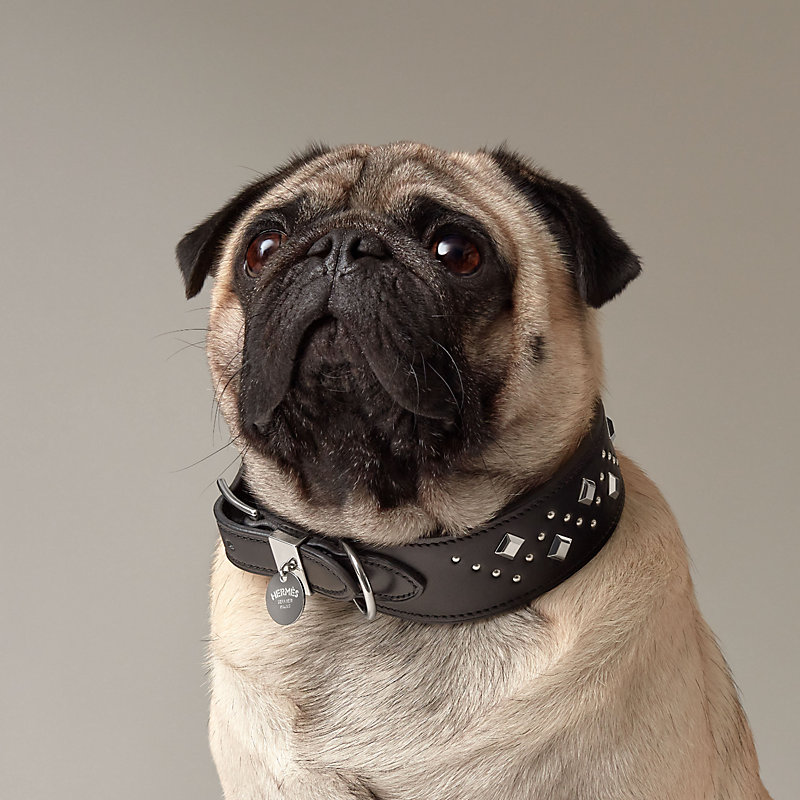
Dog Collars can be used for a variety of purposes.
The dog collar plays a crucial role in the life of your dog. Examine dog collars to understand how they help your pet.
Security and Identification. A dog collar’s primary purpose is to act as an identification tool. The collars are usually fitted with a tag for identification that contains your contact information. This will make it easier to locate your dog in the event that they are lost. Dog collars with D-rings are best since they hold the tag in place and stop it from falling off during walks and playing.
Control and training Collars for dogs play a vital role in the control and training of your pet. A standard collar, for example, can be used as a leash to give you control when walking or engaging in outdoors activities. If you have a pet that is very strong or excitable, a collar with the right fit will keep your dog under control and will stop them from pulling too much.
Style and Personalization: While safety and functionality are crucial however, personalization and style are essential too. Dog collars are available in a variety of materials, colors, and designs that allow you to express your pet’s personality and your own personal preferences. A collar that is personalized with your pet’s name, or a unique design can add an extra special touch.
Dog Collars Types
With a myriad of dog collars to choose from, it’s crucial to understand the different kinds and their particular functions.
The flat collar that is standard in design is the most sought-after type of collar for dogs. These collars are simple and adjustable and are suitable for everyday wear. They are great for holding ID tags, and for attaching leashes to walks.
Martingale Collars Martingale Collars can be used intended for dogs that slip out of traditional collars. They tighten slightly when the dog is pulling on the leash, making it impossible for them to escape without risking choking. These are a great choice for dogs with narrow heads, such as Greyhounds.
Prong Collars are also referred to as pinch collars and prong collars are controversial However, they can be useful in certain training scenarios. They are made of metal and force the dog to stop when it pulls, which discourages pulling behaviour.
Head Collars The head collars, similar to the Gentle Leader and Halti give you control over your dog’s head, making it easier to guide their movements. They are beneficial for dogs who are strong pulling dogs or are extremely excited.
Harness: Although they are it is not a collar in the strictest sense but they are a good idea to mention. They are able to distribute pressure evenly across the chest, which is more suitable for dogs, and especially those who are prone to problems with the trachea. Harnesses are the best option for small breeds and dogs who have breathing problems.
The Most Effective Dog Collar
Selecting the best collar for your dog depends on their size, behavior, and your specific needs. Here are some factors to take into account when making your decision:
The collar should be snug, but not be too tight. Two fingers should sit between the collar’s ring and your dog’s neck. Make sure the collar isn’t too loose as your dog may slip out.
Materials: Dog collars are available in a variety of materials including nylon, leather, and chain. Be sure to consider your dog’s comfort and your preferences. Leather collars are long-lasting and typically more stylish, whereas nylon collars are light and simple to wash.
Safety Features: To ensure your dog’s safety, select collars that have reflective strips. They will be more visible at night. Also available are breakaway collars that can be released whenever your dog is caught with something, preventing him from choking.
The behavior of your dog: Look at your dog’s behavior when choosing the right collar. If your dog pulls the leash, it’s possible to consider a martingale collar or a halter with no pull. Standard collars may be sufficient for dogs who are calm and well-behaved.
Style and Personalization: Express the personality of your dog and your personal style by wearing collars that reflect both. Collars that are personalized or with distinctive designs can provide some individuality to your dog’s appearance.
The article’s conclusion is:
Dog collars are essential tools to keep your pet safe, well-trained and stylish. The size, the material, safety as well as the dog’s personality are all crucial factors to think about when selecting a dog collar. Your dog will look great and remain safe with the correct collar.