A receipt from a restaurant shows that a patron ordered several alcohol-based drinks. Within a couple of hours the same person is involved with a serious accident. A receipt is important for an attorney who is investigating possible legal liability of dram shops. The receipt does not necessarily establish that the restaurant served a clearly drunk customer or that the employees failed to comply with the appropriate procedures. It’s possible that the evidence is more persuasive by looking at what happened in between drinks orders.
To understand the process, it is necessary to look at the alcohol service as a component of a hospitality operation. You cannot simply make a list of drinks in the aftermath of an incident.
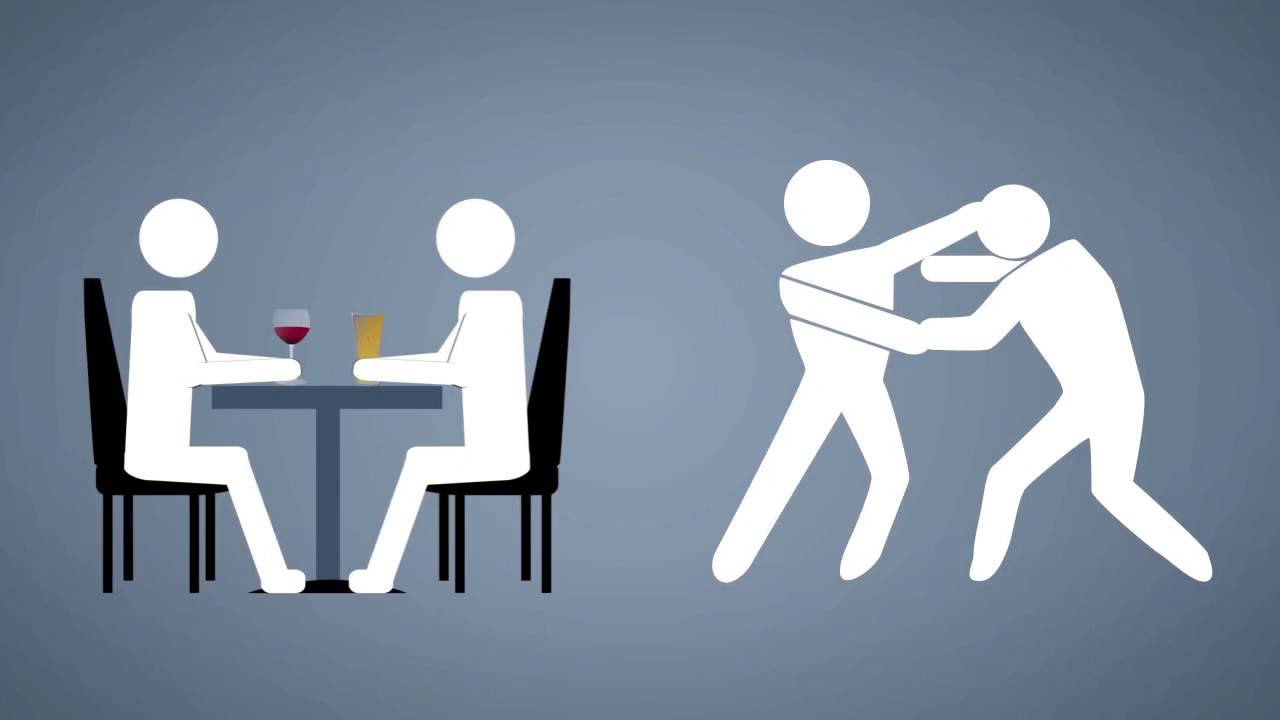
A Receipt Records a Sale and does not reflect the condition of the buyer.
The point-of-sale records can be used to determine the date the transaction took place, which beverages were purchased and how charges are allocated to a tab.
A receipt cannot reveal how a client behaved when they were served a drink. It is not able to determine who was drinking each drink, whether drinks were shared, or what the bartender was watching.
A qualified Expert Witness will help attorneys interpret the records and also the video surveillance, witness testimony of employees and other evidence. The aim is to reconstruct service sequences without presuming that every purchase tells the complete story.
What can employees observe?
The primary issue in all alcohol-service disputes concerns whether staff had sufficient evidence to conclude that the customer was intoxicated. The relevant observations might include impaired coordination, strange speaking problems, inability to maintain equilibrium or observable changes in behavior.
But these indicators require some context. A single incident captured on surveillance footage could have explanations unrelated to drinking alcohol. Investigators must also look at camera angles, quality of recording employees’ positions, and whether the particular behavior could be seen by the employees.
Preston Rideout brings experience as a bartender, bar manager and nightclub general manager and director of operations for bars to these reviews. His experience in operations helps him link recorded evidence to the responsibilities and limitations of staff who work in busy areas of hospitality.
Written Training Doesn’t Always Describe Real Practice
The majority of alcohol-related investigations revolve around concerns about the preparation of employees. Did the establishment provide seller-server training? Did employees learn to spot potential intoxication? Management explained the procedure for refusing to offer any additional services?
These questions are central to Responsible alcohol service service, but reviewing training certificates alone may not answer them.
The place may have guidelines implemented, but fail to implement them consistently. In the opposite situation the employee could have followed service standards even if it was tragic.
A review of the operational aspects of the policy includes the training materials, testimonies of employees monitoring by management, and any actions documented during an incident. The difference between a policy’s existence and its actual implementation could be significant for both the defense and plaintiff lawyers.
The Timeline often reveals the most important Questions
Take a look at a client served by several bartenders at the same time in a busy night. The bartender who was first on the scene may have seen a typical behavior. Following a shift change, a second bartender may serve a different drink. A manager could have intervened.
It’s possible to make these decisions appear to be a single continuous service, without retracing the timeline. By examining all the relevant information such as transaction records and schedules of staffing, as well surveillance footage and the incident report together, will reveal who was in charge and when. It’s better to find out whether there’s missing files or videos, instead of speculating.
Industry Practice and Legal Liability Are Different Concerns
Professionals from the hospitality industry can explain and assess whether a place adheres to the accepted operating procedures.
The court still has the responsibility of determining legal liability. The laws that govern alcohol stores differ from state to state as do the conditions in which they are accused of a crime.
Rideout Hospitality Consulting supports plaintiff and defense lawyers across the country by conducting case review operational analysis, depositions, written opinion, and trial testimony. Its work includes alcohol-service decision making, staff training, managerial practices, and any other relevant hospitality operations.
The strongest analysis accounts for What the Evidence cannot show
Alcohol-related incidents can have serious consequences, but their severity cannot be determined by all the evidence.
The attorney must know the documents available, their limitations, and the expectations for employees in the conditions.
A thorough analysis of hospitality separates the actions that are documented from assumptions and helps identify where the venue’s practices were in line with or diverged from the accepted norms. The courts can then evaluate the events in question rather than just relying on the information they gathered later.