A drainage system could appear fine during normal weather but a storm that is severe can expose every weak spot in a building’s infrastructure. Parking lots can flood and detention facilities can overflow too quickly, roads are dangerous, and areas that are low-lying begin to absorb water. In many of these situations, the problem is not simply rainfall. It’s that the place is not equipped with the right technology to actively move stormwater when gravity alone is not enough.
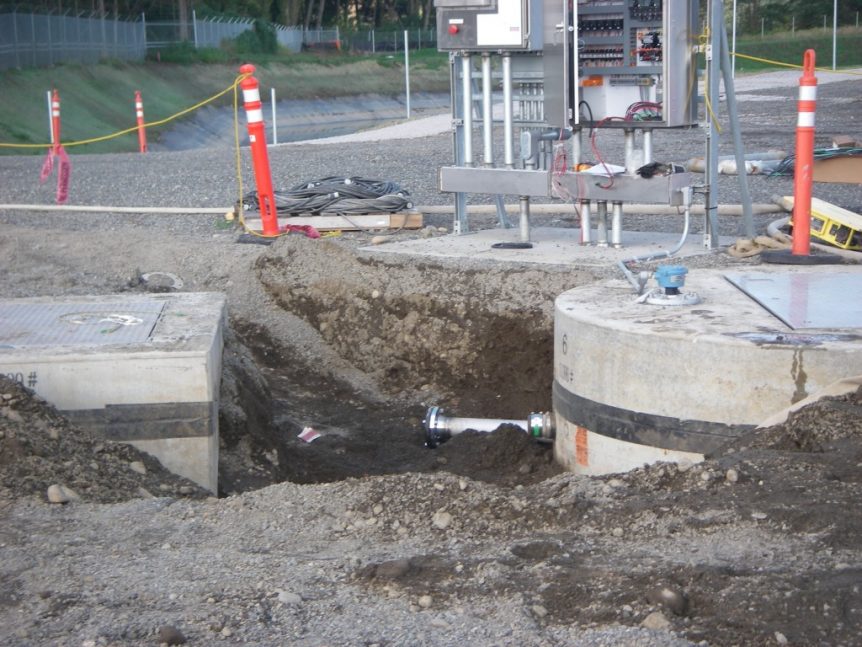
A stormwater lift station becomes essential. The systems are built to gather and drain stormwater away from areas where runoff naturally collects, aiding in protecting roads, buildings, utilities, and outdoor spaces. Lift stations can be an essential element in any kind of project, whether they are industrial, municipal, commercial or residential. They’re also crucial in keeping the site running both during and after storms.
Stormwater management must be designed to be adapted to the specific site.
Every property handles runoff differently. Retail centers with large parking spaces behave differently from residential subdivisions, and do not have the same needs as industrial drainage sites or municipal projects. Rates of flow, elevations on the site detention requirements, site elevations, and discharge conditions all shape the way a stormwater management system must be constructed.
Romtec Utilities does not approach stormwater pumps as a standard package. The design of each system is based on the specific pumping scenarios of each site. It could be used to limit the flow of water, drain a detention pool, manage the runoff of a property that is developed or support a larger municipal network, etc. The most appropriate solution is based on how much water needs to be transported and the speed it needs to move and in what locations.
A stormwater runoff pumping station is more than a simple pump that sits in a vault
A reliable stormwater runoff pump station requires far more than just high-powered machinery. It operates as an integrated system that combines mechanical, electrical, structural and control elements in a seamless fashion to handle stormwater volumes effectively and consistently. To guarantee that the station is operating at its best throughout its life, critical factors like precise pump sizing, strategic wet well design, advanced control and durable piping, as well as robust power systems, and continuous monitoring all must work in perfect harmony.
This total system integration makes the best stromwater systems design firms stand out. The best designs do not just address a drainage issue but also adopt an approach that is proactive and long-term. The highest-quality engineering is based on the ease of maintenance over time, future site needs and the highest efficiency of operation. It is essential to make sure that the pumping system will work well in real-world, harsh storm conditions instead of relying on ideal assumptions.
The planning process is crucial regardless of whether you’re dealing with torrential floods, or designing municipal systems that are under high pressure such as booster pump stations for pure water, in which failure is not an alternative. Romtec Utilities designs its stormwater systems with these particulars. They offer a variety of pumps designed for different applications. These pumps come with documentation, training and startup assistance to ensure the owner is in control of their system.
Better planning creates better flood protection
A well-designed stormwater pumping station can reduce flooding risk and improve the usability of the site and also protect property around it from water damage. Pump stations can increase the resilience of a site by ensuring that runoff from heavy rain is controlled quickly and efficiently.
It’s easy to overlook stormwater infrastructure, until it breaks down. A reliable stormwater liftstation is the best investment property owners or municipal entity can make to regulate runoff more actively rather than passively. Stormwater management systems can help make a property more efficient and safer. They also allow it to improve its ability to cope with the changing weather conditions.